
What are the most pleasant cities to live in during a heatwave?
Sick of sweltering every summer? Discover French cities where real estate still offers coolness and a pleasant lifestyle.
📅
22/6/2026
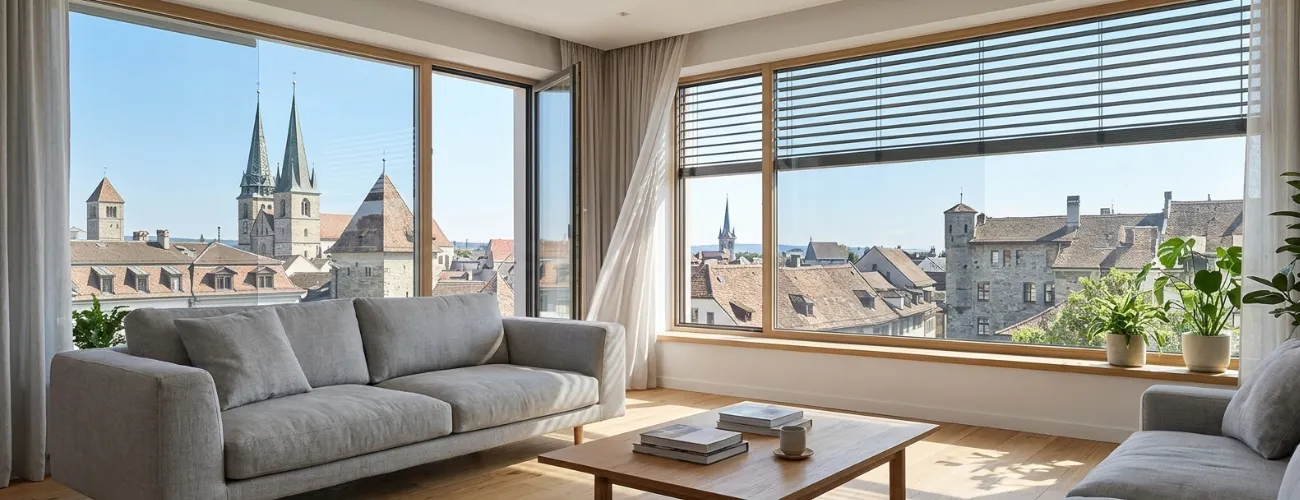

To escape the 2026 heatwave, the real estate market is turning towards the Brittany coast (Brest, Vannes) and the Alpine heights (Annecy). Buying a resilient home requires focusing on excellent summer comfort (DPE), bio-sourced insulation, and natural cross-ventilation. Discover our exclusive ranking and our property hunter's tips for investing in cool properties.
The ranking of France's coolest cities
In the face of climate change, the real estate market is undergoing a profound transformation. This June 2026, as heatwave alerts multiply across France, buyers are no longer just looking for square meters. They are hunting for climate refuge zones.
Météo-France data from 2025 and 2026 confirm the emergence of safe havens where one can still breathe easily. As a property finder, I'm seeing a surge in demand for these towns where sea air or altitude breaks nocturnal heat peaks. Here are the top three destinations for your future life project.
Vannes and the Gulf of Morbihan: The West's Safe Haven
The southern Brittany coast combines a temperate climate with an exceptional quality of life. In 2025, Vannes recorded half as many high-heat days as the national average. The Atlantic Ocean acts as a permanent natural air conditioner.
In terms of real estate, demand is soaring in the historic center and by the port. The cut-stone houses offer remarkable natural thermal inertia. It's the perfect investment to combine summer comfort and long-term asset appreciation.
Brest and Finistère: The Ultimate Oceanic Shield Against Heat
Brest is statistically the coolest city in France during heatwaves. In June 2026, while Paris is sweltering at 38°C, Brest enjoys a comfortable 23°C.
This Breton microclimate is becoming a major selling point. The Brest real estate market remains very affordable compared to the rest of the French coast. The Saint-Marc or Siam districts offer very well-ventilated 1950s apartments. Investing here means ensuring total immunity against tropical nights.
Annecy and the Alpine Communes: The Advantage of Moderate Altitude
Haute-Savoie offers an ideal alternative for mountain lovers. Annecy benefits from the combined coolness of its lake and the surrounding mountains. Thermal downdrafts from the Alps cool the atmosphere from late afternoon.
Local environmental regulations promote very green urban planning. The real estate market there is extremely tight. Properties located in Annecy-le-Vieux or near Sevrier are highly sought after. They guarantee an optimal quality of life even in the height of summer.
Find more tips on the real estate blog.
Why are these municipalities more resilient to heatwaves?
Buying in a cool city is no accident. In 2026, the analysis of urban microclimates has become a mandatory step before any real estate investment . Municipalities that boast bearable summer temperatures rely on very specific geographical and urban planning criteria.
The urban greening index to combat heat islands
The most pleasant cities have a high canopy cover. Trees block solar radiation on the ground. They release moisture through evapotranspiration. This phenomenon lowers the local temperature by 2°C to 5°C compared to heavily concreted areas.
During my research visits, I avoid concrete-heavy districts. I always prioritize properties located near wooded parks or green belts. This ensures avoiding the effect of urban heat island which turns apartments into ovens.
The impact of prevailing winds and proximity to large bodies of water
A municipality's geography dictates its thermal resilience. The immediate proximity to the ocean or a large alpine lake generates regular thermal breezes. These winds circulate the air and prevent heat from stagnating between buildings.
In Brest or Vannes, the sea air cools facades from early afternoon. In Annecy, the lake water cools the descending air currents from the mountains. For my clients, I select homes oriented to capture these natural airflows.
Resilient urban planning: the example of urban cooling networks in 2026
The technical infrastructure of a modern city changes the game for your comfort. In 2026, forward-thinking municipalities are massively deploying urban cooling networks. These systems use water from lakes, rivers, or deep aquifers to ecologically cool buildings.
This is a clean alternative that doesn't release heat into the streets, unlike individual air conditioning units. A property connected to this type of network experiences a much lower green depreciation and sells for more.
Here is a technical comparison table based on data from summer 2025 to help you visualize the performance of these cities:
How to choose your future home to anticipate tomorrow's summers?
Finding a cool city isn't enough if you buy an energy-inefficient property. As a property finder, I analyze each building to confirm its resistance to high temperatures. A good real estate investment relies on the technical evaluation of the building to ensure optimal summer comfort without relying on energy-intensive air conditioning.
The DPE and summer comfort: the new key indicators
The Energy Performance Certificate (EPC) is no longer just for evaluating winter heating bills. In 2026, the overall rating and the specific assessment of "summer comfort" are crucial to avoid a property's green depreciation.
A property rated A or B generally benefits from efficient insulation that blocks solar heat from entering. I systematically refuse to show attic properties without a thorough study of the roof insulation, as these apartments turn into thermal traps as soon as the thermometer exceeds 30°C.
Thermal inertia: old stone vs. modern concrete
Building materials react differently to heatwaves. The old stone of Haussmannian-style buildings or Breton houses has high thermal inertia.
It absorbs heat during the day and slowly releases it at night. Conversely, concrete constructions from the 1970s without external insulation heat up very quickly and remain scorching hot at night.
For a sustainable purchase, I favor either the charm of old properties with thick walls, or new constructions from 2025 and 2026 that incorporate bio-sourced materials like wood fiber or hemp, excellent for thermal phase shift.
The importance of orientation and cross-ventilation
The layout of the rooms determines an apartment's liveability in July and August. A dual aspect (East/West or North/South) is essential to create natural cross-ventilation as soon as night falls.
This allows accumulated hot air to be vented in a few minutes. I also advise against all-glass facades facing due South or West without passive external solar protection such as motorized roller shutters, awnings, or adjustable sunshades (BSO).
Here is a comparative table to help you choose the right building structure based on its thermal performance during heatwaves:
Real Estate Traps to Avoid When Buying for Heatwave Resilience
Finding that rare gem in an era of climate change requires extreme vigilance. As a property finder, I see too many buyers making fatal mistakes due to a lack of technical preparation. To make a successful real estate investment, you absolutely must inspect certain critical points that become unforgiving during heatwave summers.
The Pitfall of Top Floors and Uninsulated Attics
Buying a top-floor apartment without checking its renovation history is the best way to live in a sweltering oven. Top floors bear the full brunt of direct solar radiation on the roof. If the building dates from before 1980 and hasn't undergone comprehensive thermal renovation, indoor temperatures can soar up to 38°C in July.
During my technical audits, I systematically check the general assembly minutes. I look for evidence of insulation on the underside of the roof or a voted-on energy renovation project. Without this, your property's green depreciation will be massive upon resale.
The Illusion of Energy-Intensive Individual Air Conditioning
Relying on a mobile or fixed air conditioner to mask a property's insulation flaws is a dangerous financial calculation in 2026. Environmental regulations are tightening, and electricity costs are skyrocketing. Air conditioning hastily installed in an energy-inefficient property consumes enormous amounts of energy for mediocre results.
Furthermore, many co-ownerships prohibit the installation of outdoor units on historic facades. I always advise my clients to aim for passive thermal autonomy through quality materials rather than relying on an energy-intensive system prone to breakdowns.
Mineral-Heavy Surroundings and Lack of Solar Protection
An apartment bathed in light in winter can become a hell in summer if its surroundings are entirely concrete. Asphalted courtyards and large paved squares store heat during the day, releasing it at night.
If the property has no external blinds, roller shutters, or sunshades, the glazing creates an uncontrollable greenhouse effect. During my property searches, I analyze the immediate environment within a 50-meter radius. I avoid treeless streets and prioritize homes equipped with original passive solar protection.
Here's a list of things to check during your visit to avoid any pitfalls:
- The condition of the roof : Presence of recent insulation (rock wool, wood fiber, or polyurethane).
- The glazing : Presence of reinforced thermal insulation (ITR) double glazing or solar control glazing.
- The shutters : Presence of functional roller shutters, louvers, or adjustable sunshades on all windows.
- The immediate surroundings : Absence of large asphalted surfaces or dark zinc roofs directly below your windows.
- The co-ownership regulations : Formal authorization or prohibition of installing a heat pump or air conditioner.
- Co-ownership charges : Cost of maintaining cooling systems if the building is modern.
- The history of general meetings : Check for votes on external insulation (ITE) work or roof repairs.
- Airflow : Check the performance of the VMC (controlled mechanical ventilation) to ensure nocturnal humidity extraction.
Technical solutions for cooling a home without air conditioning
Ensuring thermal comfort in a home without relying on an active air conditioning system is entirely possible through passive energy renovation. As an expert property finder, I advise my clients to block solar heat gain before it enters the building. This involves specific layouts, materials with high thermal phase shift, and precise management of airflow.
Exterior insulation (ITE) and bio-based insulation materials
Exterior thermal insulation (ITE) combined with bio-based insulation materials remains the most effective technical solution for stopping summer heat. Unlike traditional insulators like polystyrene, which quickly overheat, wood fiber or cork offer a thermal phase shift of over 10 hours.
Daytime heat only reaches the inside of your walls in the middle of the night, when you can open the windows to ventilate everything. If you're buying a house or an entire building, this is the first project to budget for. To assess the technical feasibility of these works on your future property, you can consult a property finder for advice.
Solar control glazing and passive exterior shading
Replacing standard windows with solar control double glazing reduces heat gain from direct radiation by up to 75%. These specific types of glass allow light to pass through but repel the infrared rays responsible for the greenhouse effect.
To complement this system, installing motorized awnings or adjustable sunshades (BSO) is essential on south and west-facing facades. The goal is to prevent the sun from hitting the glass. If you wish to compare the costs and energy savings of these installations, Ademe offers a comprehensive simulator on the official public service website France Rénov'.
Provençal wells and automated night ventilation
The Provençal well (or Canadian well) is a surface geothermal system that passively cools incoming air by 5°C to 8°C. Outside air circulates through pipes buried 2 meters deep, where the ground remains cool (around 14°C in summer), before being blown into the house.
In apartments, where this system is not feasible, timed air extractors or smart ventilation grilles are installed. These tools force air renewal as soon as the outdoor temperature drops below the indoor temperature.
Here is a summary table of the thermal gains observed in 2026 according to the passive works carried out:
FAQ: All You Need to Know About Real Estate in the Face of Heatwaves
How to identify a summer heat trap during a winter viewing?
You should primarily analyze the thickness of attic insulation, the orientation of windows, and the type of construction materials. A reliable indicator in 2026 will be to check the DPE (Energy Performance Certificate) rating and scrutinize the details of the summer comfort indicator.
Inspect for the presence of exterior shutters or blinds on south and west-facing facades. A top-floor apartment without external thermal insulation (ETI) or bio-sourced insulation will present a major risk of overheating from the first heatwaves.
What is the real impact of poor summer insulation on property value?
Poor summer insulation leads to immediate green value depreciation, potentially reaching 15% to 20% of the sale price in the current real estate market. By 2026, buyers will refuse to invest in apartments transformed into energy-guzzling ovens where air conditioning is the only option.
Conversely, a property boasting excellent passive summer comfort (high thermal mass materials, solar control glazing) commands a property premium. It sells faster because it guarantees manageable condominium fees and electricity bills.
Is it mandatory to obtain condominium approval to install solar shading?
Yes, any modification to the building's exterior appearance requires a majority vote at the co-owners' general meeting. This includes the installation of roller shutters, Venetian blinds, adjustable sunshades (BSO), or exterior awnings. Before signing your preliminary sales agreement, carefully read the condominium regulations and examine the last three general meeting minutes.
If the condominium has historically refused these exterior installations, you risk being stuck in the face of heatwaves without a legal technical solution.
Conclusion: Secure Your Property Purchase with an Expert
Successfully completing a property purchase in the era of global warming requires rigorous technical expertise that goes beyond a simple aesthetic viewing. The 2025 and 2026 heatwaves have redefined market rules: an uncomfortable home in summer is an asset that loses value.
To avoid the pitfalls of uninsulated attics, heat-radiating urban environments, and uncooperative condominiums, guidance from a field professional becomes essential.
Don't take any risks with your future home or your financial assets. Engaging a property finder specialist guarantees you a comprehensive building audit, an in-depth DPE analysis, and negotiation of a fair price that integrates the property's green value.
Book an appointment today with a MeCaza property finder to secure your home purchase and find a high-performing, new, and sustainable property.


Mélanie Jacquet
With solid real estate expertise, Mélanie Jacquet assists individuals in their living and investment projects.
Through her blog, she discusses various topics around real estate: from the most profitable cities in France and Spain to practical guides for optimizing rental management, she shares her successes and her field analyses without filters.
Her dual role as a marketing manager and a real estate enthusiast allows her to transform complex subjects into actionable strategies to build a solid wealth.
To go further
13/7/2026
Buying a sea-view apartment in Nice: Which neighborhood should you look in?
Dreaming of waking up to the Bay of Angels? Discover our complete neighborhood guide to successfully buying a sea-view property in Nice without making a mistake.
Read the article.webp)
6/7/2026
Where to buy an apartment in Marseille in 2026? The guide to profitable neighborhoods
Marseille isn't a market you can just jump into. Discover our exclusive 2026 guide to identify truly profitable neighborhoods and avoid the pitfalls of the Marseille real estate market.
Read the article
26/5/2026
Acquiring a business with its commercial premises: key considerations before signing
Don't let a real estate crush overshadow a fragile business: the simultaneous purchase of a business and its premises requires careful planning. We'll break down the legal, financial, and tax pitfalls to avoid, both in France and internationally, to ensure a successful acquisition.
Read the article