
How to avoid scams when visiting an apartment?
Don't be seduced by fresh paint: learn to find the hidden pitfalls of real estate ads.
📅
26/1/2026


The tight real estate market attracts malicious profiles. Between false rental ads and hidden defects during a sale, the danger is real. A crush can quickly turn into a financial abyss. As a real estate hunter, every day I see pitfalls that you need to learn to identify. Don't become a prey. Follow this guide to visit safely and lock your transaction.
1. Uncover digital fraud even before the visit
Safety starts behind your screen. Scammers use stolen photos to create ads that are too good to be true. Your vigilance is your best weapon.
Spot ads that are too good to be true
A rent 30% below the market price is a red alert. A selling price in a popular neighborhood often hides a wolf. Systematically compare with industry prices. If the offer seems like a good deal, it's probably fake. Scammers rely on your urgency to find a way to fall asleep.
Analyzing the quality and origin of photos
Fraudsters often use images from catalogs or photo banks. Use Google Images reverse search on listing photos. If the photo of the “apartment in Paris” appears on a decoration site in Madrid, run away. A serious announcement presents realistic photos, sometimes showing the small flaws of the apartment.
Beware of suspicious email exchanges
The scammer often pretends to be abroad. He asks for personal documents very early in the exchange. Never send your complete file (tax notice, RIB) before meeting someone physically. A legitimate owner organizes visits before validating a complex file.
2. Identify classic financial scams
Money is the lifeblood. Scammers invent scenarios to extract funds from you without ever giving you the keys.
Reject any payment prior to official signature
It is the absolute golden rule. Never pay a cent to “book” a visit. Cash mandates, Western Union transfers, or PCS coupons are fraud tools. A lessor or a seller does not have the right to ask for money before the lease or authentic act is signed at the notary.
Verify the identity of your interlocutor
Always ask for the real estate agent's professional card. For an individual, ask to see an ID and the title document during the visit. A scammer can rent an Airbnb for a day and claim that they own it to organize fraudulent visits.
Analyze the request for a bank guarantee
The deposit is regulated. For rent, it often corresponds to one month's rent excluding expenses. For a purchase, the receivership is paid only to the account of the notary office or professional with a financial guarantee. Any personal or foreign bank account for a security deposit is suspicious.
3. Detect hidden technical defects during the visit
A scam is not always financial fraud. Sometimes it is a seller who hides a major defect in the building. As a hunter, I inspect every nook and cranny.
Tracking humidity and hiding places
Look at the ceilings and the corners of the walls. Very fresh paint in an old cellar is suspicious. It often hides traces of saltpeter or recent infiltrations. Use your nose: a musty smell or perfume that is too strong can mask deep mold problems.
Verify the real condition of the electrical installation
Open the electrical panel. Bare wires or an outdated installation are signs of expensive work to come. Test sockets and switches. A “refurbished” apartment with an electrical panel from the 70s is not up to standard. It is a deception about the overall quality of the property.
Scrutinize the environment and noise pollution
Never visit only once. Come back at different times: school outing, evening, Saturday afternoon. A quiet street at 10 am can become a noise hell at 6 pm. Also check the urban planning projects at the town hall. An unobstructed view can be replaced by a 6-storey building within two years.
4. Analyze official documents rigorously
The devil is in the legal details. An incomplete file is a deliberate attempt to mislead you about the value of the property.
Analyzing the Technical Diagnostic File (DDT)
DDT is mandatory. Look closely at the DPE (Energy Performance Diagnosis). Grades F or G impose rental and work constraints. Also check for lead or asbestos. A seller who “forgets” to provide you with these documents during a serious visit is looking to save time or to mask an expensive reality.
Read the latest minutes of the general meeting
For a condominium, ask for the minutes for the last three years. You will discover the works voted on or to be planned (renovation, roof, elevator). If the seller is hiding these documents, they are probably hiding a massive condominium debt or impending structural work at your expense.
Check the real Loi Carrez area
Some sellers inflate the surface to increase the price. They include non-habitable surfaces (sub-slopes, cellars). Request the Loi Carrez measurement certificate. A difference of 5% compared to reality can justify a significant price reduction or the cancellation of your offer. A voluntary deviation is a market value scam.
Conclusion: Stay in control of your visit
Never give in to pressure. An agent who tells you “you have to sign now because I have ten offers” is trying to bypass your rational analysis. Take the time to check each point mentioned. Real estate requires composure. If in doubt, get help from a professional or a building expert. Your financial security is priceless.


Mélanie Jacquet
With solid real estate expertise, Mélanie Jacquet assists individuals in their living and investment projects.
Through her blog, she discusses various topics around real estate: from the most profitable cities in France and Spain to practical guides for optimizing rental management, she shares her successes and her field analyses without filters.
Her dual role as a marketing manager and a real estate enthusiast allows her to transform complex subjects into actionable strategies to build a solid wealth.
To go further
13/7/2026
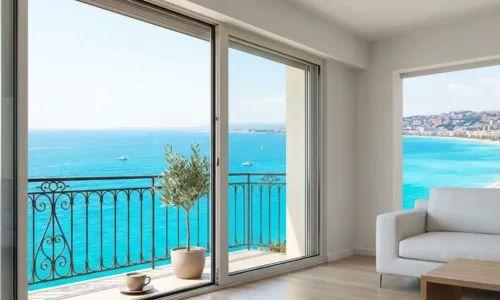
Buying a sea-view apartment in Nice: Which neighborhood should you look in?
Dreaming of waking up to the Bay of Angels? Discover our complete neighborhood guide to successfully buying a sea-view property in Nice without making a mistake.
Read the article.webp)
6/7/2026
Where to buy an apartment in Marseille in 2026? The guide to profitable neighborhoods
Marseille isn't a market you can just jump into. Discover our exclusive 2026 guide to identify truly profitable neighborhoods and avoid the pitfalls of the Marseille real estate market.
Read the article
22/6/2026
What are the most pleasant cities to live in during a heatwave?
Sick of sweltering every summer? Discover French cities where real estate still offers coolness and a pleasant lifestyle.
Read the article