
Buying an apartment in Spain: the 2026 guide
Sun, Profitability, or Second Home: Buying in Spain is attracting more and more French people. Here's everything you need to know before you get started.
📅
16/4/2026


In 2026, Spain remains the favorite destination for French people. Whether you're looking for a profitable asset or a sunny retreat, opportunities abound. However, the market has become more professional and complex. Between the new Housing Law (Ley de Vivienda) and stricter energy performance diagnostics (DPE), the rules of the game have changed. Whether you're looking for cash flow in Valencia or a villa on the Costa Brava, this guide deciphers the key steps within the new legislative landscape. As a property finder, I see every day that preparation is your best weapon.
1. Administration and Taxation: The Essential Step to Secure Your Purchase
The Spanish administration is uncompromising. In 2026, the digitization of procedures has accelerated processing times. However, strict adherence to rules is still essential to avoid last-minute roadblocks. A poorly prepared application is a failed application.
The NIE and the Bank Account: Your Essential Foundations
The NIE (Número de Identificación de Extranjero) is your tax identification number. Without it, you cannot sign before a notary. Recently, the Spanish administration has modernized and digitized access to the NIE for European citizens. Although consulate processing times in France remain long (often around 2 months), it is now much easier for a MeCaza property finder with a Spanish power of attorney (Poder Notarial) to obtain the client's NIE directly on site within a few days.
Concurrently, open a Spanish bank account. In 2026, banks like Sabadell or CaixaBank demand complete transparency. They will scrupulously apply anti-money laundering protocols. Prepare your 2024 and 2025 tax assessments, as well as proof of origin of funds.
Taxation in Spain: Understanding ITP and Purchase Costs
This is a major cultural shock for French buyers. In France, notary fees are regulated and almost identical from one city to another. In Spain, real estate taxation is entirely regionalized. For the purchase of a resale property, you pay theITP (Property Transfer Tax), a tax managed by the Autonomous Communities that can vary significantly:
- Madrid [SEG SEGMENT 8] remains a tax haven for buyers with an ITP rate fixed at 6% .Andalusia (
- Seville) is also welcoming with a smoothed rate of7% .Conversely, Catalonia (
- Barcelona) and the region ofValencia maintain maximum pressure with an ITP of10%.
To the amount of ITP (or IVA of 10% if you buy new construction), add 2% to 3% in additional costs for the notary, property registry, and lawyer. In total, your overall costs will range between 8% (in Madrid) and 13% (in Barcelona or Valencia).
The Lawyer: Your Only Real Legal Safeguard
In Spain, the notary's role differs from the French system. They authenticate the sale but do not conduct in-depth property searches. It is the lawyer (abogado) who protects the buyer. They verify that the seller is the legal owner, ensure the property is free of debts, and that urban planning licenses are valid. In 2026, controls on illegal extensions have been tightened, especially along the coast. Without a lawyer, you risk buying a pool or terrace condemned for demolition.
Signing the "Contrato de Arras" Correctly
The Spanish preliminary sales agreement commits you immediately and significantly. You generally pay 10% deposit. It's crucial to note this: there is no 10-day cooling-off period as there is in France. If you change your mind, you lose your deposit. Conversely, if the seller withdraws, they must return double the amount paid to you. Your property finder or lawyer must validate every clause of this document before any transfer.
2. Investor Profile: targeting cash flow and profitability in 2026
Rental investment in Spain in 2026 requires a nuanced strategy. The Ley de Vivienda now caps rents in so-called "stressed" areas. Savvy investors must therefore choose micro-markets where demand remains strong despite regulations.
The Unique Register for short-term rentals
The landscape of seasonal rentals has completely changed. Since January 1, 2026, every property rented to tourists must have its unique national registration number. Without this precious key, platforms like Airbnb or Booking automatically block your listings.
Before purchasing, you must check the condominium's bylaws. Many residences have voted to prohibit tourist activity. A profitable investment begins with a strict legal verification of the property's use by your local property finder.
Where to invest to maximize your return?
- Valencia : It remains the queen of returns with approximately 7% gross. The demand from students and digital nomads there is insatiable. It's a city that combines quality of life with still-affordable prices.
- Madrid (Outlying districts): Ideal for high-end flat-sharing. While prices in the center exceed €6000/m², nearby suburbs like Vallecas or Carabanchel offer opportunities at €3200/m².
- Malaga: The city is experiencing a boom thanks to its tech hub. It's the perfect balance between asset security and rental demand. Prices are rising, and rental vacancy is close to 0%.
The IRNR tax for non-resident landlords
If you rent out your property, you are subject to Non-Resident Income Tax (IRNR). In 2026, you are taxed at 19% on your net profit. The good news? You can deduct many expenses: loan interest, renovations, management fees, and building depreciation.
However, be mindful of tax scrutiny. The Spanish tax authorities now cross-reference data with electricity providers. Suspicious consumption in an apartment declared vacant will trigger an automatic inspection. Transparency is your best ally.
3. Second Home Profile: combining enjoyment and appreciation
For a second home, your priority criteria are lifestyle and ease of resale. In 2026, the focus is on the property's resilience to climate challenges and the quality of transport infrastructure.
Choosing the location: accessibility and resale potential
- Costa Brava / Girona: Always popular for its geographical proximity to France. Prices there are stable, around €3500/m² for quality properties. It is a quintessential safe-haven market.
- Alicante / Costa Blanca: It offers the best value for money for beachfront properties. Alicante airport serves all of Europe with record frequency by 2026. It's a prime location for retirees and families.
- Andalusia (Marbella, Estepona): This is the luxury segment. Here, you're buying an exclusive lifestyle. Sustainability is becoming a major selling point. International buyers now demand high energy standards to limit air conditioning costs.
The Fixed Costs of a Holiday Home
Owning a second home incurs recurring costs, even if you only stay there two months a year. IBI (property tax) remains reasonable, often between €400 and €900 for a standard apartment.
However, keep an eye on the gastos de comunidad (community fees). A residence with an Olympic-sized pool, tropical gardens, and 24/7 security can cost between €150 and €400 per month. Finally, the Spanish state taxes the personal use of a second home through a deemed rental income.
The Table of Purchase Costs in Spain
The Impact of the EPC on Your Future Second Home
Spain now applies strict energy renovation standards. An apartment rated F or G will become increasingly difficult to resell without a significant discount. By 2026, summer heat will be a risk factor. Prioritize properties with efficient thermal insulation or plan for a substantial renovation budget. Good insulation will save you 40% on your air conditioning bill in July. Buying "green" in Spain is essential for protecting your investment.
4. The Purchase Process Summarized Step-by-Step
In Spain, the notary does not verify if the seller has debts on the property or if urban planning regulations are respected; that's the role of the lawyer or property finder! This table summarizes the key steps for a secure remote purchase in 2026.
Guidance: The Key to Your Real Estate Success
Whether you're looking for a rental yield of 6% or a sea-view apartment for your golden years, Spain offers historic opportunities in 2026. The market is mature, liquid, and secure for those who understand the local intricacies. However, the tax complexity of the ITP and the new constraints of the Single Register leave no room for improvisation. Buying property abroad is a serious undertaking that requires on-the-ground expertise.
A property finder secures every step of your project. They select properties compliant with 2026 legislation, negotiate prices based on real market conditions and anticipated energy efficiency work. Don't let your Spanish dream turn into an administrative nightmare. Work with property finders who live in Spain.


Mélanie Jacquet
With solid real estate expertise, Mélanie Jacquet assists individuals in their living and investment projects.
Through her blog, she discusses various topics around real estate: from the most profitable cities in France and Spain to practical guides for optimizing rental management, she shares her successes and her field analyses without filters.
Her dual role as a marketing manager and a real estate enthusiast allows her to transform complex subjects into actionable strategies to build a solid wealth.
To go further
13/7/2026
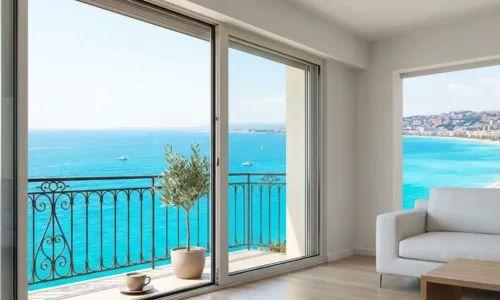
Buying a sea-view apartment in Nice: Which neighborhood should you look in?
Dreaming of waking up to the Bay of Angels? Discover our complete neighborhood guide to successfully buying a sea-view property in Nice without making a mistake.
Read the article.webp)
6/7/2026
Where to buy an apartment in Marseille in 2026? The guide to profitable neighborhoods
Marseille isn't a market you can just jump into. Discover our exclusive 2026 guide to identify truly profitable neighborhoods and avoid the pitfalls of the Marseille real estate market.
Read the article
22/6/2026
What are the most pleasant cities to live in during a heatwave?
Sick of sweltering every summer? Discover French cities where real estate still offers coolness and a pleasant lifestyle.
Read the article