
Second Home: Definition and Complete Guide for a Successful Purchase
Are you considering buying or renting a second home? Find out everything you need to know about your new vacation home.
📅
22/5/2025
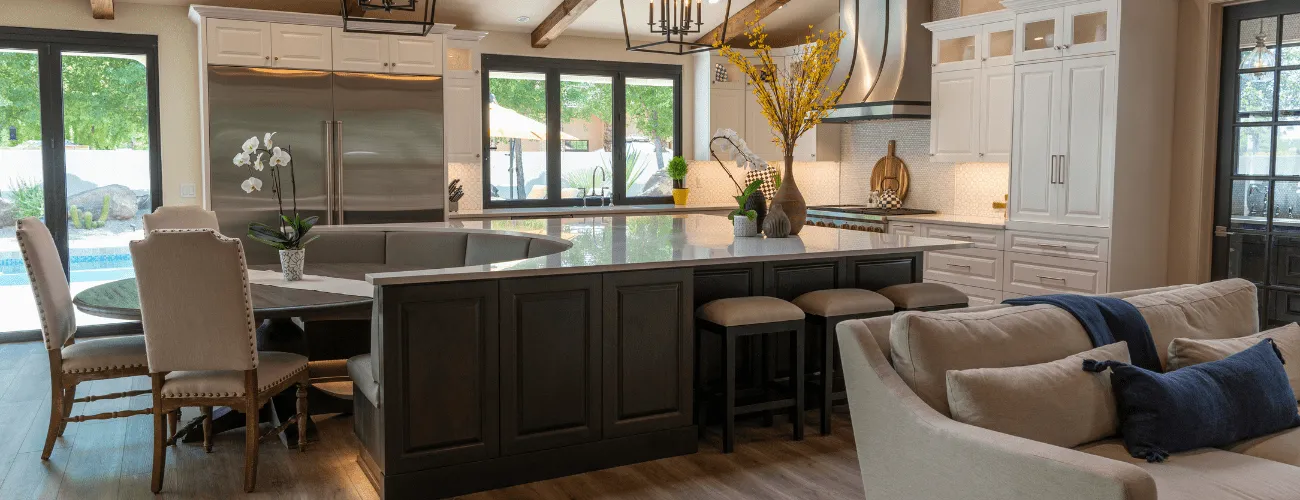

A second home is a dwelling used for holidays, weekends, or temporary stays. Unlike a primary residence, it is not permanently occupied and has a specific tax regime. What is a second home according to French law and taxation? How is it taxed? What are the criteria for renting or buying one with the help of a property finder ? This comprehensive guide provides all the answers and pitfalls to avoid before investing.
What is a second home? Definition and specific characteristics
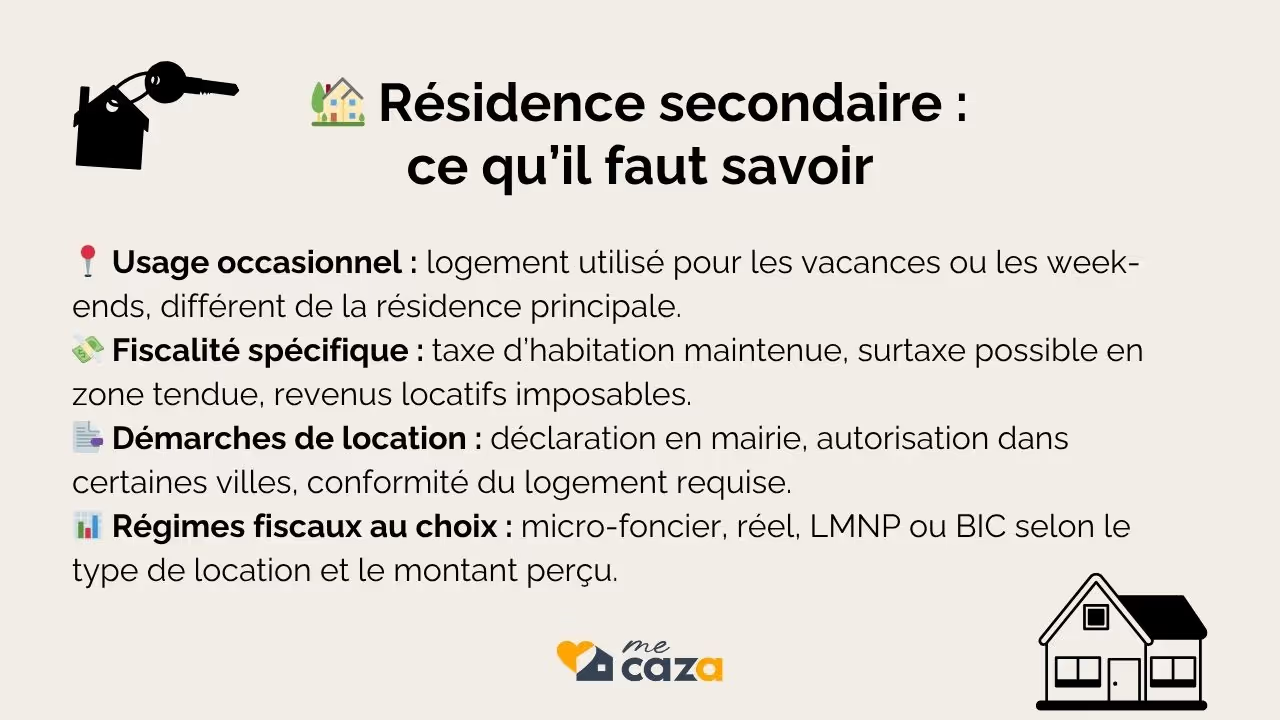
A second home is a dwelling you occupy occasionally throughout the year, typically for weekends, public holidays, or vacations. Whether it's a country house to escape daily life, a seaside apartment, or a mountain chalet, this type of property serves as a preferred place for relaxation. Generally, owners only stay there for a few weeks or months per year.
Legally and administratively, the distinction from your primary residence is very clear: a primary residence is the dwelling where you habitually and effectively reside (the center of your professional and family interests) for more than 6 months per year (i.e., at least 183 days). Conversely, a secondary residence is occupied for less than 183 days per year. Consequently, it is not eligible for the same tax benefits and exemptions as your primary home.
What is the property value of a second home?
The appraisal and property value of a secondary residence depend on three major factors that shape the market:
- Geographical location: A property located in tourist municipalities or "high-demand areas" (such as coastal regions, major metropolitan areas, or popular ski resorts) often commands a higher value due to strong real estate demand and rapid resale potential. Conversely, a dwelling located in a rural area or at the heart of new schemes ZFR (Rural France Zones) may offer a more accessible purchase price while providing specific tax opportunities to encourage local investment.
- Property-specific characteristics: The living area, the general condition of the building (whether renovation work is needed or not), as well as the amenities offered (presence of a swimming pool, garden, terrace, or unobstructed view) directly influence the price estimation.
- Local market dynamics: Supply and demand trends at any given moment play a crucial role. An area where available properties are scarce will naturally see prices remain on an upward trend.
What are the taxes on a secondary residence in 2026?
Becoming a homeowner of a second home means navigating a much stricter tax framework than that for a primary residence. Indeed, the tax authorities offer no leniency for properties used occasionally, and recent finance laws have significantly tightened regulations. To prevent your haven of peace from becoming a financial drain, you must understand the intricacies of local taxes, specific levies, and the impact of resale on your assets.
Here is a complete breakdown of the tax obligations in effect this year to optimize your investment.
Local taxes: Property tax and Housing tax
Contrary to popular belief, the abolition of certain taxes does not apply to all properties. If you own a holiday home or a pied-à-terre, you remain liable for local taxes, which significantly impact the annual maintenance budget.
- Property tax: It is due annually by the property owner on January 1st, whether they occupy it personally or rent it out. Its amount is calculated by the tax authorities based on the cadastral rental value of the property, multiplied by the rates voted by local authorities.
- Habitation Tax: This is the most crucial regulatory reminder. While this tax has been definitively abolished for all primary residences, the habitation tax on secondary residences remains fully applicable.
- The Surcharge in High-Demand Areas: Beware of the geographical pitfall. Many tourist municipalities or those located in urban areas with high housing demand vote for an increase in the habitation tax (ranging from 5% to 60%). The state's objective is clear: to encourage owners to switch their properties to long-term rentals to house local workers.
Real Estate Capital Gains Tax on Resale
If you decide to resell your secondary residence and make a gain compared to the initial purchase price, this capital gain is subject to income tax (at a rate of 19%) and social security contributions (at a rate of 17.2%). Fortunately, the tax authorities apply a progressive allowance mechanism calculated based on your holding period.
To help you plan your investment horizon, here is the mathematical rule for the allowance:
- For Income Tax (19%): Total exemption applies after 22 years of continuous property ownership.
- For Social Security Contributions (17.2%): Total exemption only applies after 30 years of ownership.
💡 MeCaza's expert tip: If you sell your secondary residence to buy your first primary residence (and you haven't owned your main home in the last 4 years), you can benefit from an exceptional capital gains tax exemption, provided you reinvest the money within 24 months.
Real Estate Wealth Tax (IFI) and the case of France Ruralities Zones (ZFR)
The calculation of your net taxable assets for the Real Estate Wealth Tax (IFI) obviously includes your secondary properties. Unlike your primary residence, which benefits from a 30% flat-rate allowance, the secondary residence is assessed at 100% of its market value in your declaration if your total real estate assets exceed 1.3 million euros.
However, rural geography offers new opportunities. The former Rural Revitalization Zones (ZRR) have been officially replaced by the new scheme ZFR (France Ruralities Zones).
- What's the impact on your project? If your goal is to buy a large property to combine with a professional project (such as bed and breakfasts, a rural gîte, or the rehabilitation of a local business), investing in a municipality classified as a ZFR can entitle you to temporary exemptions from corporate income tax and property tax. This is an excellent way to enhance assets at a lower cost while revitalizing the local economy.
How is property tax calculated for a secondary residence?
The property tax is a local tax due each full year by property owners. It is based on the cadastral rental value of the property, which represents the theoretical annual rent of the dwelling. This value is then multiplied by the rates voted by local authorities.
The final amount of the property tax therefore depends on several criteria:
- Property location : Some municipalities apply higher rates.
- Rates voted by local authorities : Each year, municipalities adjust tax rates.
- Dwelling characteristics : Size, general condition, and use of the property.
- Possible exemptions : Certain specific situations allow for tax reduction.
Property owners must consult their public finance center or their tax office to find out the rates applied in their municipality and understand how the tax is calculated.
The property tax is a local tax owed annually by property owners . It is based on the cadastral rental value of the property, which represents the theoretical annual rent of the dwelling. This value is then multiplied by the rates voted by local authorities.
Property owners must consult their public finance center or their tax office to find out the rates applied in their municipality.
Why are second homes not eligible for exemptions?
Second homes do not benefit from the same exemptions as main residences. These tax breaks are intended for permanently occupied dwellings. This means that a second home remains subject to housing taxes, even if it is rarely occupied or used only a few months a year.
However, there are some exceptions where a second home may be exempt or benefit from a tax reduction:
- If the owner has to leave their home to move into a nursing home or a medical facility.
- In the event of a cause beyond your control, rendering the property uninhabitable.
- When the dwelling is declared vacant dwelling and temporarily unusable.
To request an exemption, owners must contact their tax office and provide the necessary supporting documents.
Secondary residences do not benefit from the same exemptions as primary residences. Tax relief is reserved for properties occupied as a primary residence. This means that a secondary residence remains subject to housing taxes, even if it is rarely occupied.
Read also: Secondary Residence: Pitfalls to Avoid
Cases of exemption or reduction of property tax
Although secondary residences are, in principle, excluded from general tax relief reserved for primary homes, French legislation provides for rare exceptions. Under certain strict conditions related to situation or age, it is possible to reduce, or even cancel, this local tax on your second property.
Here are the only official scenarios allowing for an exemption or reduction of property tax on a secondary residence:
- The two-year temporary exemption for new construction: If you build a new house, carry out a reconstruction, or add an extension, you may be exempt from property tax for two years following the completion of the work. This measure automatically applies to secondary residences for the municipal and inter-municipal portions. Please note: the municipality or inter-municipal body may vote to abolish or limit this exemption, and you must declare the change within 90 days, otherwise you risk losing your rights.
- Special exemption for seniors over 75 (Friteau Case Law): In principle, the exemption linked to age and modest income conditions only applies to the main residence. However, the Council of State's case law (Friteau ruling) extends this total exemption to the secondary residence for owners aged over 75 on January 1st of the tax year, provided that their Reference Tax Income (RFR) for the previous year meets the legal thresholds.
- Retention of rights when moving to a retirement home: If an elderly owner (over 75) or a disabled person (recipient of ASPA, ASI, or AAH) meeting modest income criteria must leave their main residence to permanently move into a retirement home or long-term care facility, they retain their right to tax exemption. The condition is that their former dwelling (which effectively becomes an indirect secondary residence) remains completely unoccupied.
⚠️ MeCaza Important Note: Please note that all these special exemptions, whether for new construction or the owner's situation, never apply to the Household Waste Collection Tax (TEOM). This tax remains mandatory and payable by the owner in all cases.
Summary Table: Main vs. Secondary Residence Taxation
For a comprehensive and clear overview within this topic, here is a comparison of the tax treatments:
Buying a Secondary Residence: Key Project Steps
Acquiring a holiday home or a pied-à-terre is not something to be improvised. It's an exciting life project, but one that demands absolute meticulousness to avoid becoming an uphill battle. From defining the real budget to finding the perfect location and navigating the administrative formalities of the transaction, every decision is critical.
To proceed smoothly, here are the essential steps to take to secure your investment from start to finish.
Setting your budget and financing plan
Before you start visiting properties, you absolutely must calculate your total financial capacity. Unlike buying a first home, access to credit for a second property is subject to stricter banking rules, particularly regarding down payments and debt-to-income ratios.
- Estimating additional costs: Don't limit yourself to the net seller price. From the outset, you must include notary fees (approximately 7 to 8% for older properties), agency fees, the cost of future renovation or refurbishment work, as well as ongoing maintenance costs (heating, insurance, condominium fees).
- Exclusion of state aid: This is a major point of vigilance for your financing plan. The Zero-Interest Loan (PTZ) is strictly reserved for the purchase of a primary residence. For a secondary residence, you will have to opt for a conventional mortgage.
Choosing the ideal location
Location is the number one criterion for the success of your investment. A good location guarantees your quality of life in the short term, but also ensures the appreciation of your assets and the resale of the property in the long term.
- The distance rule: Objectively consider the travel time from your primary residence. A weekend home located less than 2 hours away will be much more utilized and occupied than a property requiring half a day of travel.
- Accessibility and amenities: Check the proximity of transport infrastructure (TGV stations, motorway access, airports) and the presence of local shops or medical services open year-round, especially if you plan to spend your future retirement there.
- Rental potential: If you plan to rent out the property for a few weeks a year to offset your costs, analyze the tourist appeal of the town, local demand, and market seasonality.
Les démarches administratives de la transaction
Une fois le bien de vos rêves déniché, le processus juridique s'enclenche. Le parcours administratif est jalonné de formalités légales strictes qu'il convient de respecter scrupuleusement pour protéger vos intérêts.
- La signature du compromis de vente : Cet avant-contrat (ou promesse de vente) scelle l'accord entre le vendeur et vous sur le prix et les conditions de la transaction. C'est ici que sont inscrites les clauses suspensives indispensables, comme l'obtention de votre prêt immobilier. Vous bénéficiez d'un délai de rétractation légal de 10 jours après la signature.
- La recherche du financement : Dès le compromis signé, vous disposez généralement d'un délai de 45 à 60 jours pour monter votre dossier bancaire, faire jouer la concurrence et obtenir votre offre de prêt définitive.
- L'acte authentique chez le notaire : C'est l'étape finale. Environ trois mois après le compromis, la signature de l'acte de vente officiel chez le notaire officialise le transfert de propriété. C'est à ce moment précis que vous réglez le solde du prix, les frais de notaire, et que vous récupérez enfin les clés de votre résidence secondaire.
Indivision ou SCI : Les alternatives pour optimiser votre achat
Acheter une résidence secondaire en nom propre et de manière individuelle n’est pas la seule option, ni parfois la plus judicieuse d'un point de vue patrimonial. De nombreux acquéreurs choisissent de concrétiser ce projet à plusieurs, que ce soit en couple, en famille ou entre amis. Pour encadrer cette co-propriété, réduire les coûts d'accès et anticiper la transmission de ce patrimoine immobilier, deux grandes structures juridiques s'affrontent : l'indivision et la Société Civile Immobilière (SCI).
Découvrez les avantages, les limites et les précautions à prendre pour chacune de ces alternatives afin de choisir la solution la plus adaptée à votre situation.
L'achat en indivision : Partager les coûts en famille ou entre amis
L’indivision est la solution la plus simple et la plus courante par défaut. Elle consiste à acquérir un bien à plusieurs sans créer de structure juridique nouvelle. Chaque acquéreur devient propriétaire de la résidence secondaire à hauteur de sa contribution financière (par exemple 50/50, 60/40, ou 33% chacun).
- La réduction immédiate des coûts : Le principal avantage de l'indivision est la mutualisation des dépenses. Le prix d'achat net vendeur, les frais de notaire, mais aussi l'ensemble des charges courantes, les taxes locales et les futurs travaux de rénovation sont partagés proportionnellement entre tous les indivisaires.
- Une facilité d'acquisition : En mettant en commun vos capacités financières et vos revenus respectifs, vous présentez un dossier beaucoup plus solide face aux banques pour décrocher votre crédit immobilier classique.
- La flexibilité d’utilisation : Idéale pour une maison de vacances familiale, l'indivision permet aux co-propriétaires de définir ensemble un planning d'occupation (par exemple, se répartir les semaines de juillet et d'août).
- ⚠️ Les précautions indispensables : L’indivision exige une entente parfaite, car la loi dispose que "nul ne peut être contraint à demeurer dans l'indivision". Si l'un des membres souhaite vendre ses parts et que les autres ne peuvent pas les racheter, le bien doit être vendu. Pour sécuriser le projet, il est vivement conseillé de faire rédiger une convention d'indivision chez le notaire afin de fixer les règles du jeu et d'anticiper les modalités de sortie ou de revente des parts.
La création d’une SCI : Simplifier la gestion et la transmission
La Société Civile Immobilière (SCI) est une alternative plus formelle mais extrêmement puissante pour les projets patrimoniaux à long terme. Dans ce schéma, c'est la société qui achète la résidence secondaire, et vous détenez des parts sociales de cette SCI proportionnellement à votre apport.
- Une gestion globale simplifiée : Contrairement à l'indivision où l'unanimité est souvent requise (ce qui peut bloquer les décisions en cas de conflit), la SCI est régie par des statuts. C'est le gérant nommé qui prend les décisions du quotidien selon les pouvoirs qui lui ont été attribués, évitant ainsi les situations de blocage.
- Une transmission patrimoniale facilitée : C’est le gros point fort de la SCI pour les familles. Transmettre une maison à ses enfants est fiscalement lourd et complexe. Avec une SCI, vous pouvez effectuer des dons progressifs de parts sociales à vos enfants tous les 15 ans (en profitant des abattements légaux de 100 000 € par parent et par enfant), réduisant ainsi drastiquement, voire annulant, les futurs droits de succession.
- L'optimisation fiscale sur-mesure : La SCI vous offre la liberté de choisir votre régime d'imposition. Selon votre stratégie globale et votre niveau de revenus, la société peut être soumise à l'Impôt sur le Revenu (IR) ou opter pour l'Impôt sur les Sociétés (IS), notamment si vous prévoyez de faire de la location meublée de manière intensive.
- Les contraintes à anticiper : Cette liberté a un coût administratif. Créer une SCI implique de rédiger des statuts précis et personnalisés, de publier une annonce légale, d'immatriculer la société, de tenir une comptabilité annuelle rigoureuse et d'organiser une assemblée générale chaque année.
Mettre en location sa résidence secondaire : Règles et rentabilité
Pour de nombreux propriétaires, laisser une maison de vacances inoccupée la majeure partie de l'année représente un coût d'opportunité important. Mettre sa résidence secondaire en location — que ce soit de manière saisonnière à la semaine ou sous forme de bail de moyenne durée — s'impose alors comme une excellente stratégie pour amortir les charges courantes, payer les impôts locaux et maximiser la rentabilité globale de son patrimoine immobilier.
Cependant, cette démarche ne s'effectue pas à l'aveugle : l'État et les municipalités encadrent très strictement l'activité locative. Voici les règles juridiques et le fonctionnement des régimes fiscaux à maîtriser pour louer votre bien en toute conformité.
Les démarches et réglementations locales (Zones tendues)
L'essor des plateformes de réservation de courte durée (type Airbnb ou Abritel) a poussé les communes à durcir les règles du jeu, en particulier dans les secteurs touristiques et les agglomérations dynamiques afin de protéger le parc de logements locaux.
- La déclaration préalable en mairie : Si vous envisagez de louer votre bien en tant que meublé de tourisme, une démarche administrative simple mais obligatoire s'impose : la déclaration en mairie. Cette formalité permet aux autorités locales d'attribuer un numéro d'enregistrement à votre annonce, indispensable pour publier sur les plateformes en ligne.
- La limite légale des 120 jours : Attention au plafond temporel. Dans de nombreuses communes classées en "zone tendue", la législation limite la location saisonnière de courte durée à un maximum de 120 jours par an pour un même logement.
- L'autorisation de changement d'usage : Dans les très grandes métropoles (comme Paris, Lyon, ou Bordeaux), les règles sont encore plus contraignantes. Pour louer régulièrement une résidence secondaire à des touristes, vous devez obtenir une autorisation municipale de changement d'usage avec compensation (acheter des droits commerciaux équivalents), une procédure complexe et coûteuse.
- La collecte de la taxe de séjour : En tant que loueur, vous avez l'obligation de collecter la taxe de séjour auprès de vos voyageurs (souvent gérée directement par les plateformes) et de la reverser à la commune pour participer au développement touristique local.
- Les normes de décence et de sécurité : Pour être loué légalement, votre logement doit impérativement répondre aux critères de décence en vigueur. Cela comprend la conformité totale des installations de gaz et d'électricité, l'absence de risques sanitaires (plomb, amiante) et la présence obligatoire d'équipements de sécurité de base, comme un détecteur de fumée fonctionnel.
Quel régime fiscal choisir pour vos revenus locatifs ?
Chaque euro généré par la location de votre deuxième logement doit être déclaré à l'administration fiscale. Le choix de votre mode de location (vide ou meublé) dicte la catégorie d'imposition de vos gains et le calcul de vos impôts.
Option 1 : La location vide (Revenus Fonciers)
Si vous choisissez de louer votre bien sans mobilier (par exemple pour de la location résidentielle classique), vos loyers entrent dans la catégorie des revenus fonciers. Deux options s'offrent à vous :
- Le régime Micro-foncier : Si vos revenus locatifs annuels sont inférieurs à 15 000 €, vous bénéficiez automatiquement d'un abattement forfaitaire de 30 % représentatif de vos charges. Vous n'êtes alors imposé que sur 70 % de vos recettes.
- Le régime Réel : Si vos charges (intérêts d'emprunt immobilier, gros travaux de rénovation, charges de copropriété, taxe foncière) dépassent 30 % de vos loyers, le régime réel est plus avantageux. Il vous permet de déduire l'intégralité de vos dépenses réelles pour réduire votre base imposable, parfois jusqu'à créer un déficit foncier imputable sur vos autres revenus.
Option 2 : La location meublée (Statut LMNP)
La location meublée de tourisme (courte durée) ou le bail meublé classique permettent de prétendre au statut de Loueur en Meublé Non Professionnel (LMNP). Vos revenus sont alors imposés dans la catégorie des Bénéfices Industriels et Commerciaux (BIC), un cadre fiscal historiquement très attractif.
- Le régime Micro-BIC : Il offre un abattement forfaitaire avantageux (souvent de 50 % pour les meublés de tourisme standards) sur vos recettes avant imposition.
- Le régime Réel en LMNP : Ce mécanisme hautement stratégique permet de déduire toutes vos charges, mais surtout de pratiquer l'amortissement comptable de la valeur du bien et du mobilier. Résultat : vous pouvez légalement gommer l'essentiel de vos impôts sur vos revenus locatifs pendant plusieurs années.
- Les prélèvements sociaux : Quel que soit le régime choisi (vide ou meublé), n'oubliez pas que vos gains nets restent soumis aux prélèvements sociaux de base au taux de 17,2 %.
Voici un article complet sur : Mettre en location sa résidence secondaire.
Pourquoi faire appel à un chasseur immobilier MeCaza pour votre résidence secondaire ?
Trouver la perle rare à plusieurs centaines de kilomètres de chez soi est un défi logistique et chronophage. Entre les alertes immobilières qui s'accumulent, les week-ends gâchés à visiter des biens décevants et le manque de connaissance des micro-marchés locaux, de nombreux acquéreurs finissent par abandonner leur projet ou par acheter par dépit au mauvais prix.
C'est précisément là que l'expertise d'un professionnel dédié à vos seuls intérêts change la donne. Déléguer votre recherche à un expert local vous garantit un achat serein, sécurisé et parfaitement négocié.
L'expertise de proximité : 80 chasseurs immobiliers à votre service
MeCaza s'appuie sur la force d'un réseau national unique, composé de 80 chasseurs immobiliers experts et passionnés, répartis sur l'ensemble des régions françaises. Que votre cœur balance pour une longère en Normandie, un appartement de standing sur la Côte d'Azur, un chalet dans les Alpes ou une maison de maître au sein des nouvelles Zones France Ruralités (ZFR), nous avons le spécialiste qu'il vous faut.
Nos chasseurs ne se contentent pas de regarder les annonces publiques : ils vivent sur place, connaissent chaque quartier, chaque rue, l'évolution des prix au mètre carré et les projets d'urbanisme à venir.
The tangible benefits of entrusting your search to MeCaza
By signing an exclusive search mandate with MeCaza, you regain control of your time and secure your investment through tailor-made services:
- Exclusive access to the hidden market (Off-Market): Thanks to their network of local partners (notaries, property dealers, traditional agencies), our property finders have access to exceptional properties even before they are published online.
- No unnecessary travel: No more crossing the country for a disappointing viewing. Your MeCaza property finder pre-screens properties, conducts ultra-detailed pre-visits with comprehensive reports, photos, and immersive videos. You only travel for properties you truly love.
- Comprehensive technical and legal audit: For each selected property, we meticulously analyze the technical diagnostic reports (EPC, electricity, asbestos), co-ownership meeting minutes, and rental or tax potential to help you avoid unpleasant surprises.
- Negotiating the fair price: Buying a second home often involves an emotional connection that sellers know how to leverage. Your MeCaza property finder keeps a clear head: they negotiate on your behalf, using factual arguments, to ensure you acquire the property at its true market value.
Ready to make your second home project a reality?
Don't let distance or lack of time hinder your property investment ambitions. Let an expert find, inspect, and negotiate your future holiday home with complete peace of mind.
➡️ Contact the MeCaza team today! Speak with one of our 80 specialists for a free initial scoping meeting and discover the effectiveness of our property search services.
FAQ
1. What is the difference between a primary residence and a secondary residence?
A primary residence is the dwelling where you usually live and where your professional and family interests are centered. Unlike a primary residence, a secondary residence is a dwelling that you occupy occasionally , usually for leisure, holidays, or weekends.
2. Does the housing tax apply to secondary residences?
Yes, the housing tax still applies to secondary residences. Since January 1st , 2023, this tax has been abolished for primary residences, but it remains in effect for secondary residences. Furthermore, some municipalities located in high-demand areas can apply a surcharge to this tax.
3. What are the tax benefits of investing in a second home?
Investing in a second home located in a rural revitalization zone (ZRR) can offer tax benefits, including temporary exemptions if rented out.


Mélanie Jacquet
With solid real estate expertise, Mélanie Jacquet assists individuals in their living and investment projects.
Through her blog, she discusses various topics around real estate: from the most profitable cities in France and Spain to practical guides for optimizing rental management, she shares her successes and her field analyses without filters.
Her dual role as a marketing manager and a real estate enthusiast allows her to transform complex subjects into actionable strategies to build a solid wealth.
To go further
13/7/2026
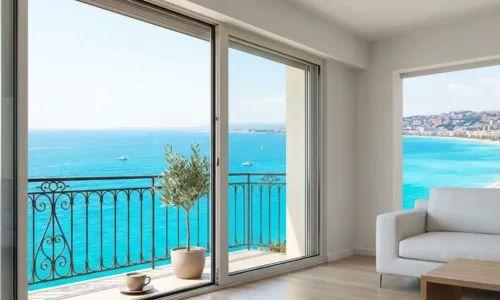
Buying a sea-view apartment in Nice: Which neighborhood should you look in?
Dreaming of waking up to the Bay of Angels? Discover our complete neighborhood guide to successfully buying a sea-view property in Nice without making a mistake.
Read the article.webp)
6/7/2026
Where to buy an apartment in Marseille in 2026? The guide to profitable neighborhoods
Marseille isn't a market you can just jump into. Discover our exclusive 2026 guide to identify truly profitable neighborhoods and avoid the pitfalls of the Marseille real estate market.
Read the article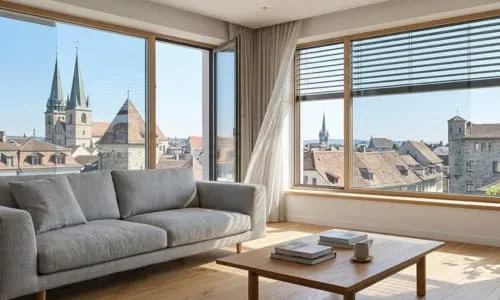
22/6/2026
What are the most pleasant cities to live in during a heatwave?
Sick of sweltering every summer? Discover French cities where real estate still offers coolness and a pleasant lifestyle.
Read the article